
Common mistakes when storing wine at home: how to store your bottles correctly and prevent them from spoiling
Storing wine at home seems simple. You buy a bottle you like, put it on a shelf or in the refrigerator, and that’s it. However, the reality is that many wines are spoiled in homes due to storage mistakes that, although they may seem minor, can seriously affect their quality.
From our experience in the winery, we often see that even wine enthusiasts make very common mistakes when storing wine at home. We’re not just talking about aged wines or special bottles. Even a wine that you plan to drink in a few months can lose its aromas, balance, and freshness if it is stored incorrectly.
The good news is that storing wine properly at home does not require large investments or professional equipment. You just need to know a few basic principles and avoid certain widespread habits.
Today we want to help you identify the most common mistakes in storing wine so that your bottles reach your glass just as the winemaker intended.
Store wine upright for years
This is probably one of the most common mistakes made when storing wine at home. Many people store bottles upright because it takes up less space or simply because that is how other products are stored.
But when a bottle has a cork stopper, keeping it upright for long periods of time can become a problem.
The reason is simple. The cork needs a certain amount of moisture to remain flexible and seal the bottle properly. If the wine is not in contact with it, the cork can dry out over time.
When this happens, two things can occur:
- The cork shrinks slightly.
- Air enters the bottle.
And oxygen is one of wine’s main enemies. Premature oxidation can cause loss of aromas, dull notes, or flat flavors.
That’s why the classic recommendation still holds true: if a bottle has a natural cork and you plan to store it for months or years, it’s best to keep the wine in a horizontal position.
This keeps the cork moist and the seal airtight.
If the wine has a synthetic or screw cap, this problem disappears. In this case, the position does not matter so much, although horizontal storage is still usually more practical.
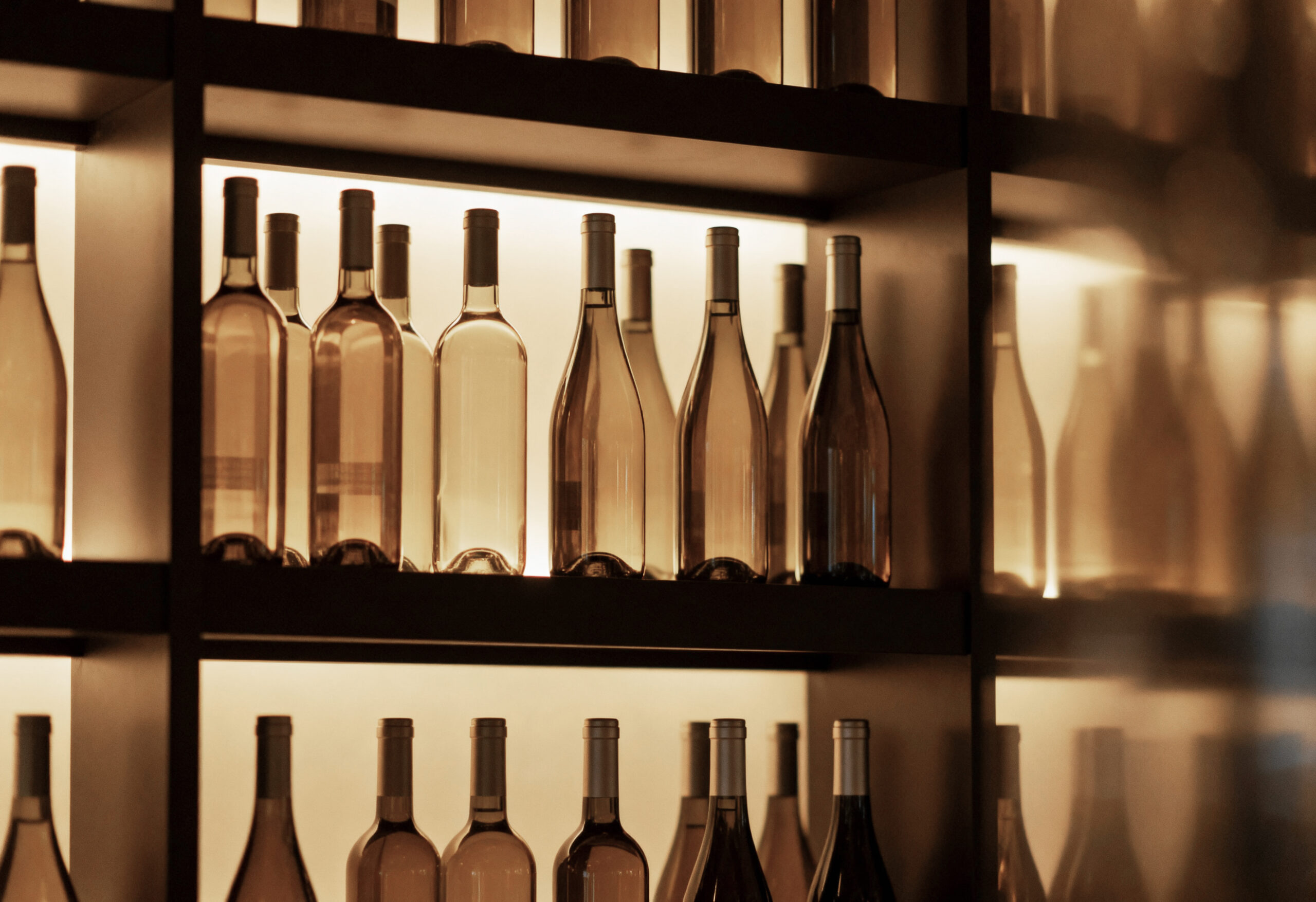
The “eternal refrigerator”: storing wine for months in the refrigerator
Another common mistake when storing wine at home is thinking that the refrigerator is the ideal place for any bottle.
It is true that the refrigerator can be useful in some situations. For example, to chill a white or rosé wine before drinking it. However, it is not a good place to store wine for long periods of time.
Domestic refrigerators have several characteristics that are not wine-friendly:
- Most operate between 3 and 5 °C, a temperature designed for food, not wine. Keeping a bottle in this environment for weeks or months can affect its development.
- In addition, domestic refrigerators tend to have very dry environments, which again damages natural corks.
- Added to this is another curious factor. Refrigerators are full of food aromas. Cheese, vegetables, cold cuts, sauces. Cork, although it may not seem so, can absorb certain odors over time. The result can be a wine with altered or less expressive aromas.
If you are going to drink a bottle within a few days, it is fine to keep it in the refrigerator. However, if we are talking about storing wine at home for months or years, the ideal place is a cool, dark space with a stable temperature.
Sudden changes in temperature
Wine is quite sensitive to temperature changes. And here is another common mistake when storing wine at home.
Some bottles go through real thermal roller coasters.
A typical example:
- The wine is stored in a cupboard near the kitchen.
- In summer, the temperature rises considerably.
- In winter, it drops significantly.
- Sometimes it is even cooled in the refrigerator and then returned to the cupboard.
Each of these changes affects the wine.
When the temperature of wine rises and falls sharply, the liquid expands and contracts inside the bottle. This movement can cause small amounts of air to enter through the cork.
In addition, heat accelerates the evolution of wine. If a bottle spends months in an environment that is too warm, it can age prematurely.
High temperatures often cause:
- Loss of fresh aromas.
- More pronounced alcoholic sensation.
- Lack of balance.
The ideal way to store wine correctly at home is to keep it in a relatively stable environment, around 54 to 60 °F. It doesn’t have to be exact or perfect, but it does need to be consistent.
An interior storage room, a cupboard away from appliances, or a small home wine cooler usually work very well.
Exposing bottles to direct light
It may seem like an insignificant detail, but light is another silent enemy of wine.
We often see bottles placed on open shelves near windows or under bright lights. They look nice, decorative, almost like a small personal collection.
The problem is that prolonged exposure to light, especially sunlight or very powerful fluorescent lights, can cause what is known as “light strike” in wine.
This phenomenon mainly affects white and sparkling wines, although it can also affect red wines.
Light radiation alters certain compounds in wine and can generate unpleasant aromas, sometimes described as:
- Wet cardboard notes.
- Dull aromas.
- Loss of freshness.
That’s why many bottles use dark glass. It’s not just a matter of aesthetics, it’s also a form of protection.
Even so, it’s best to store bottles in a dark or low-light place. A closed cupboard, an indoor shelf, or a wine cooler with a tinted door are much safer options.
If you want to use some bottles as decorative elements, ideally they should be wines that you plan to consume soon.
How to store wine correctly at home
After reviewing the most common mistakes made when storing wine, we can summarize a few simple rules that make all the difference.
To store wine properly at home, try to follow these guidelines:
- Keep bottles lying down if they have natural corks.
- Find a space with a stable temperature, ideally between 54 and 61 °F.
- Avoid sudden changes in temperature.
- Protect wine from direct light.
- Do not use your domestic refrigerator as permanent storage.
You don’t need an underground cellar or a large wine cooler to take good care of your bottles. With a little attention to where you store them, you can better preserve the aromas, structure, and personality of the wine.
In the end, the goal is simple: when you uncork the bottle, you want to enjoy the wine exactly as it was intended in the winery.
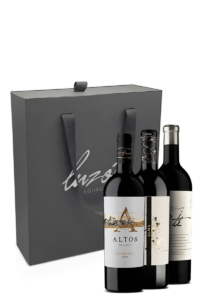
Discover new wines for your collection
Now that you know how to store wine properly at home, perhaps it’s the perfect time to expand your small home wine cellar. If you like discovering new wines or simply want to always have a good bottle on hand, we invite you to visit the Bodegas Luzón web, where you can find a selection of Jumilla wines, reds with Mediterranean character and options that are perfect both for enjoying now and for storing and allowing to evolve at home. Because, at the end of the day, few things are more enjoyable than opening a great bottle… knowing that you have stored it as it deserves.