
Types of cava and their categories according to aging time and sugar content
When it comes to sparkling wine, there’s one name that stands out in our country with its own brilliance: cava. This product, so typical of our country—with a Protected Designation of Origin and a character that reflects both terroir and expertise—is not only synonymous with celebration. Today, talking about cava means talking about versatility, complexity, and an entire production culture that deserves to be explained in detail. So let’s get serious (but with a glass in hand): today we bring you a complete guide to the types of cava and their categories according to aging time and sugar content.
Because yes, although we’ve all referred to it with familiarity and even confidence at family meals, cava has many faces. And we’re here to reveal them all.
What is cava?
Cava is a sparkling wine made using the traditional méthode champenoise, also known as the traditional method, the same method used to produce champagne in France. It involves a secondary fermentation in the bottle, after adding sugar and yeast to the base wine, which naturally generates the characteristic carbon dioxide.
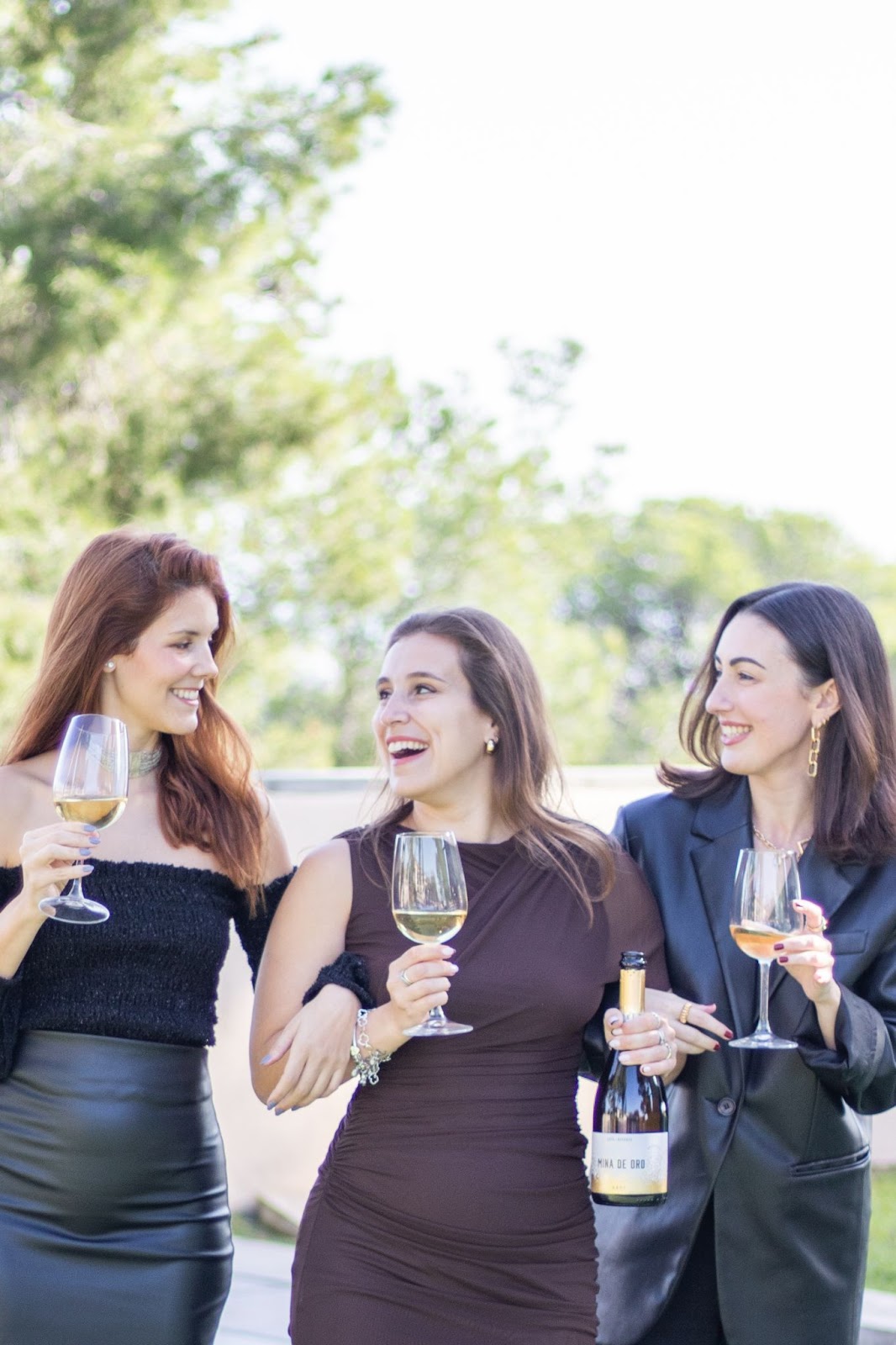
Types of Cava Based on Aging Time
The classification of cava has evolved over the years, and the Cava Regulatory Council establishes different categories that help understand the complexity and style of each type. This classification is based primarily on the aging time in the bottle on its lees, which directly influences its aromatic profile, texture, and longevity.
Cava de Guarda
It’s the youngest of all. For a sparkling wine to be labeled Cava de Guarda, it must be aged for a minimum of 9 months in the bottle. This type of cava is fresh, light, and perfect for an informal toast or pairing with appetizers.
Cavas de Guarda are characterized by their fruity profile, primary aromas of grapes, citrus, green apple, and a fine, pleasant bubble. They are accessible, refreshing, and mark the gateway to the world of cava.
Cava de Guarda Superior
Within the most demanding cava categories, we find Cava de Guarda Superior, a world where patience and care transform into elegance. For a cava to earn this distinction, it must be made with grapes from vineyards classified as “de guarda superior” (superior aging) and meet strict criteria of traceability, sustainability, and manual harvesting.
But within this broad category, time continues to make the difference and gives rise to two sublevels based on the minimum aging time on lees:
- Cava Reserva: Aged for over 18 months, this is the entry point into the premium cava category. At this stage, the wine has developed a more defined complexity and creaminess, with notes of ripe fruit, fine pastries, and a perfect balance between freshness and structure.
- Gran Reserva Cava: This subcategory requires more than 30 months of aging, resulting in cavas with greater aromatic intensity, body, and persistence. Here, toasted nuances, dried fruit, and a very fine, perfectly integrated bubble are already perceptible.
Cava de Paraje Calificado
The top of the pyramid. This is the most exclusive category in the world of cava, reserved for wines made with grapes from a single location with exceptional soil and climate characteristics. Its aging period is a minimum of 36 months, resulting in sparkling wines of the highest expression.
We’re talking about complex, elegant, long-lived cavas, designed for aging and for special moments. It’s not just a glass; it’s an experience.
Types of cava according to sugar content
But it’s not all about time. The sugar content of the expedition liqueur—added just before disgorging—also defines the cava style. Based on this amount, another fundamental classification is established:
- Brut Nature:no added sugar (up to 3g/L from fermentation).
- Extra Brut: up to 6 grams of sugar per liter.
- Brut: up to 12 grams of sugar per liter. This is the most popular and balanced.
- Extra Dry: between 12 and 17g/L.
- Dry: between 17 and 32g/L.
- Semi Dry: between 32 and 50g/L.
- Sweet: more than 50g/L. Ideal for desserts.
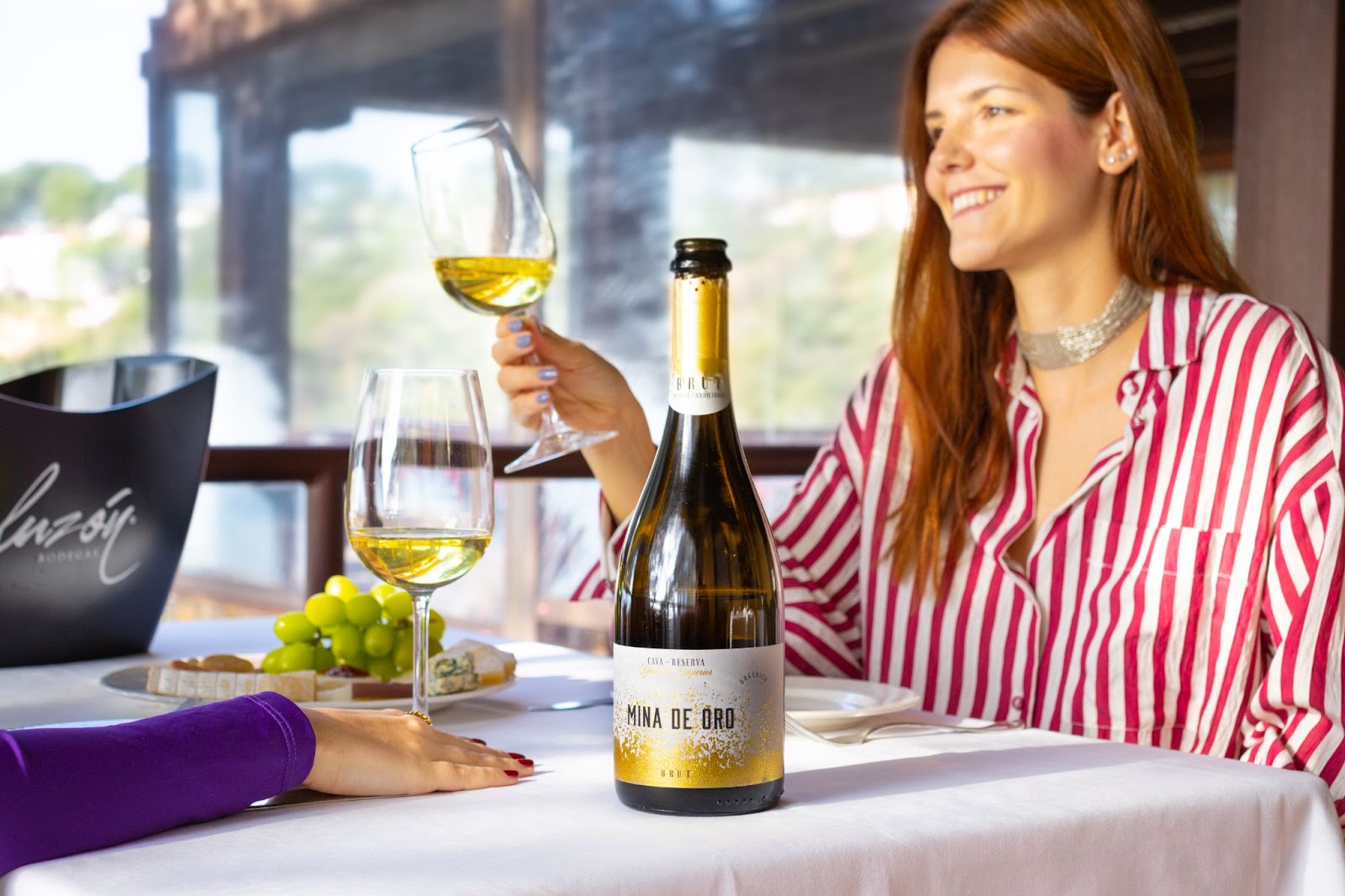
Each of these categories has its time and its audience. While a Brut Nature or Extra Brut are ideal for purists, sweet cavas can be the perfect finishing touch after a good meal. And in the middle, Brut, that all-round companion that never fails.
And what about grape varieties?
Although the traditional trio of grapes for cava production is Macabeo, Xarel·lo, and Parellada, other varieties such as Chardonnay, Pinot Noir, Trepat, and Garnacha Tinta are also permitted, depending on the type of cava and the desired style.
Each variety contributes distinct nuances: Macabeo provides structure, Xarel·lo freshness and acidity, and Parellada aromatic elegance. Combining them is an art, and that’s where the winemaker’s hand comes into play.
Our Cava: Mina de Oro 2023
We couldn’t close this tour of cava types and categories without telling you about our latest gem. Because yes, we also make cava, and we do so with care, intention, and a focus on excellence. We proudly present our Cava Mina de Oro 2023, an organic cava in keeping with our sustainability values.
This Cava de Guarda Superior Brut is part of our ICONOS white range, along with Mina de Oro Viognier and Luzón Dulce. A unique trilogy that represents the most personal and distinctive side of our winery.
Our Cava Mina de Oro:
- Category: Cava de Guarda Superior Brut
- Varieties: Macabeo and Xarel·lo
- Aging: 18 months on lees
- Winding: We carefully select Macabeo and Xarel·lo plots based on freshness and aromatic potential. The grapes are chilled before pressing to preserve the aromas of the free-run juice. Decanting is carried out naturally under cold conditions, without fining agents, before beginning controlled fermentation.
Tasting Notes
In the glass, Cava Mina de Oro 2023 presents a pale yellow color with golden highlights. On the nose, we find fine aromas of fermentation, hints of fresh pastries, and notes of ripe white fruit. On the palate, it is round, sweet, and very balanced, with an integrated and elegant bubble that caresses the palate. Ideally served between 6º and 8ºC, with an alcohol content of 12.5% Vol.
Perfect to accompany a special dinner, a meal with friends, or simply to indulge in a moment of enjoyment. Because every day has its hidden gold. And sometimes, it comes in the form of bubbles.
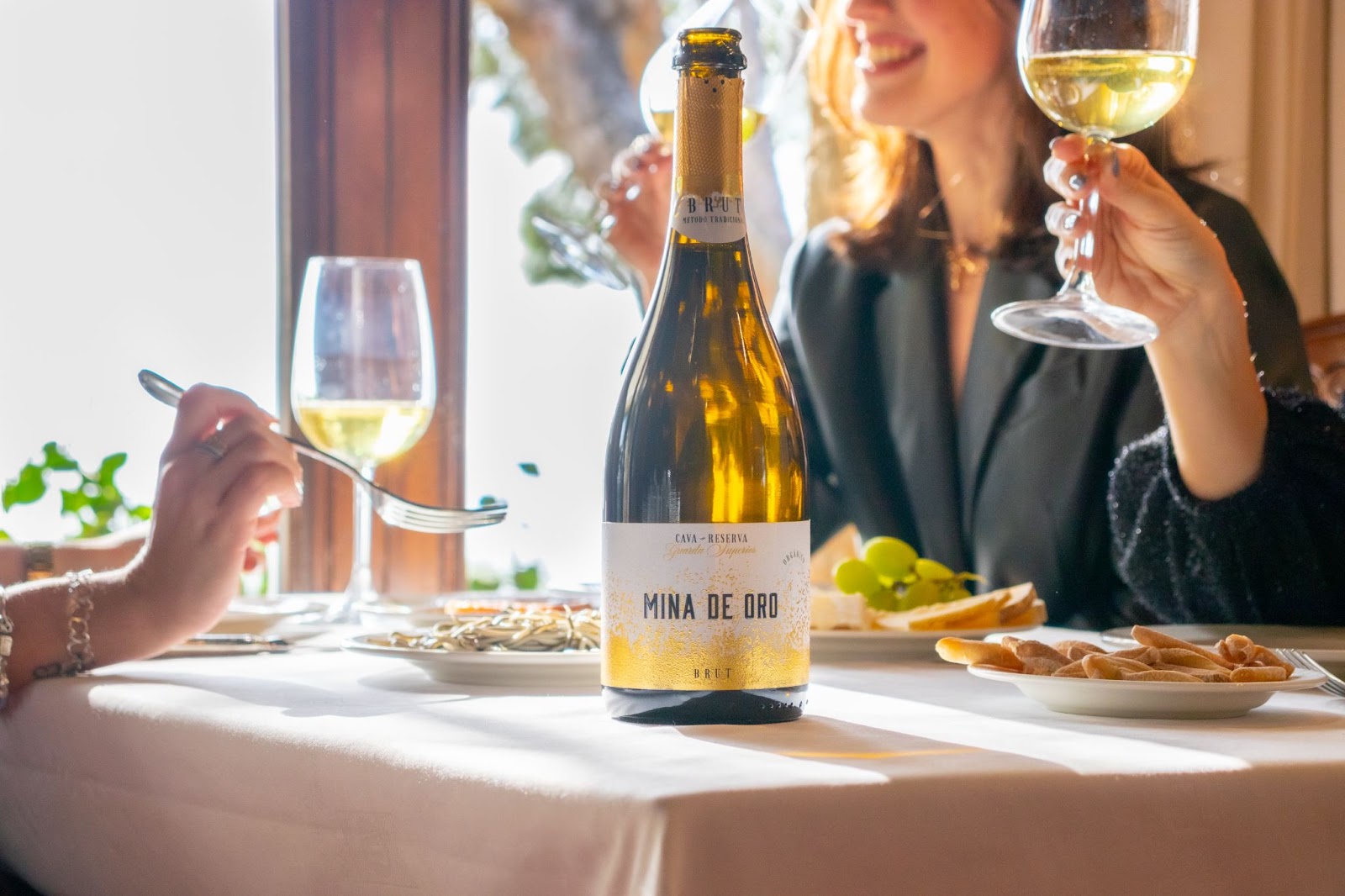
You see. The world of cava is much more than a label or a toasting glass. It’s an expanding universe, with rules, nuances, and emotions. And we, as true lovers of sparkling wine, couldn’t help but pay tribute to it.
Types of cava and their categories according to aging time and sugar content: now you know everything. Or almost. Because the best knowledge always comes in a glass.
Cheers!